The American Society of Plastic Surgeons released a comprehensive report of cosmetic surgery trends through 2010. With all the Real Housewives shows being so successful it’s not surprising that boob jobs are up 40% since 2000. But the really amazing increase is in a procedure called a “lower body lift“, up an astounding 4,550% since 2000. A lower body lift will cost you an average of $7,247. This is likely because the procedures that make up a lower body lift were all sold separately before but have now been conveniently bundled in recent years. Those procedures are a tummy tuck, thigh lift and butt lift.
One of the big losers is the hair transplant down 57% since 2000. Hair styles for men of diminished follicle fortitude has been the close cut or shaved head freeing them from having really terrible plugs that don’t look natural no matter what those late night TV commercials say. Collagen is also down (73%) now that people have seen the light on fish lips, or new materials come on the market. While boob jobs are almost universally popular they’re actually down 30% among women 55 and over.
Some wimp in Knowlton Township, NJ is suing the makers of Four Loko because he claims to now have heart arrhythmia after drinking a mere 2.5 cans of the magical elixir. It is a well known fact that Four Loko can induce visions of Leprechauns, but only a nincompoop would drink 2.5 cans without getting a complete physical first. Light weight. Try to explain to the boys down at the tire shop why you’re suing instead of manning up and having another one.
The most popular browser on Crasstalk is Firefox 3. Today brings good news for those who have been suffering along with a browser that first came out in 2008. Firefox 4 is now available and is one day ahead of schedule. It’s not quite up on the Mozilla website but their FTP servers are offering up the latest bits. You can download them here. Just select your operating system and grab the language of your choice. Below are easier links for popular combinations:
If you’ve been running a Firefox 4 beta then you can get the new version by going to Help then About. The download will start and install automatically.
Firefox 4 brings better speed, stability, a few new usability features, hardware acceleration and a redesigned user interface. So, what are you waiting for, go download.
Minimum requirements are Windows 2000 or Mac OS 10.5. If you are on 10.4 Apple wants you to know that they haven’t published any security updates since April 2009 and that you should upgrade to 10.5 or preferably 10.6.
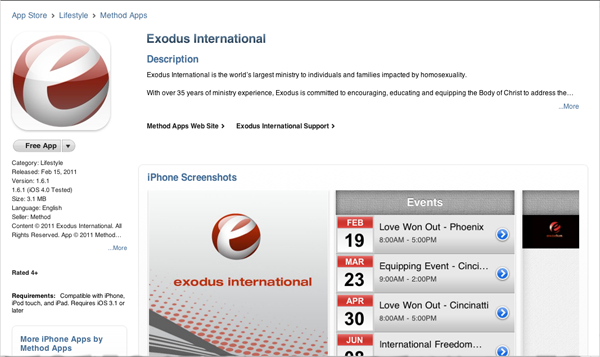
The latest anti-gay iOS app is receiving broad criticism for its stated purpose of providing people “freedom from homosexuality.” The app is published by Exodus International, an organization well known for its “conversion therapy” and hate speech.
On its website Exodus International proudly states that the app received a 4+ rating so it’s not objectionable to anyone.
Exodus International has released its new smartphone application now available through iTunes! Receiving a 4+ rating from Apple (applications in this category contain no objectionable material), this application is designed to be a useful resource for men, women, parents, students, and ministry leaders.
Are you a man, woman, parent student or ministry leader? Have you been “impacted by homosexuality?” Then this app is clearly for you and your burning desire to rid the world of those damn gays help gay people stop being gay.
If you would like to add your voice to those opposed to this electronic hate mongering then visit change.org.
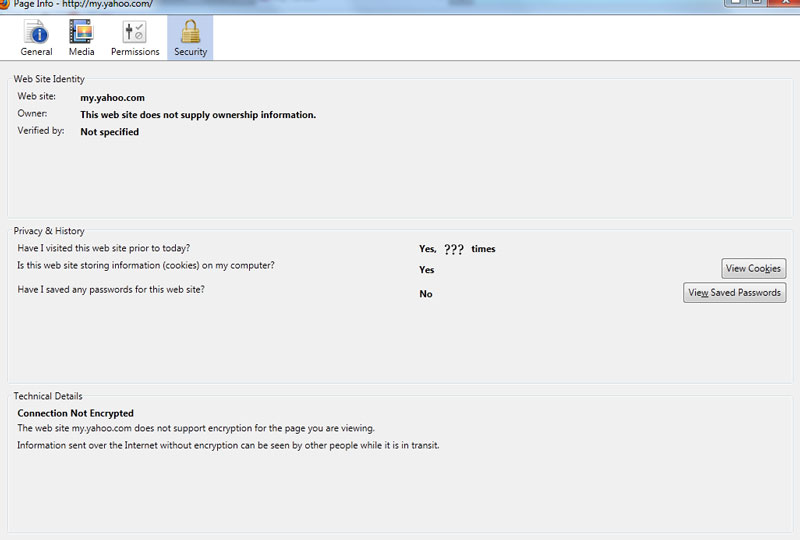
Have you ever wondered how many times you’ve visited a website? If you’re using Firefox and haven’t cleared your browsing history (they have a private mode for that you know) then your web browser will tell you.
Right click on the page background
Select “View Page Info”
Click on the Security tab at the top, it’s the one with the lock
Now read the line that says, “Have I visited this web site prior to today?”
Shout out with your ridiculously high numbers for your favorite websites. This number isn’t an exact science and only goes as far back as the last time you cleared history, but it’s fun to get an idea of how many times you’ve obsessively refreshed a particular site.
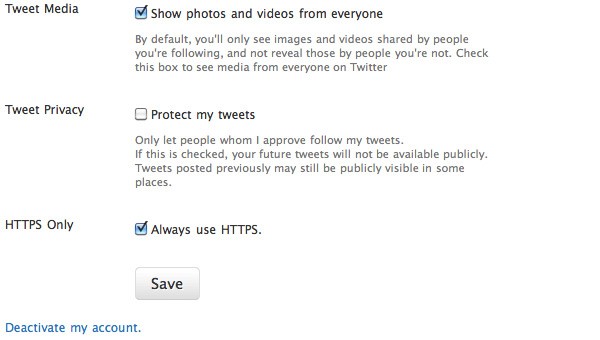
Twitter finally gives you the option to use full time HTTPS. This will encrypt all of your traffic between your computer and Twitter’s servers making it more difficult for people to intercept or hijack your session with Firesheep or other tools.
To enable this feature:
Login to Twitter
On the upper right you should see your avatar and username. Click this.
Select Settings
Click the check box next to “
Click Save
Enter your password to verify
That’s it, now you use HTTPS all the time. Keep Tweeting those Crasstalk stories.
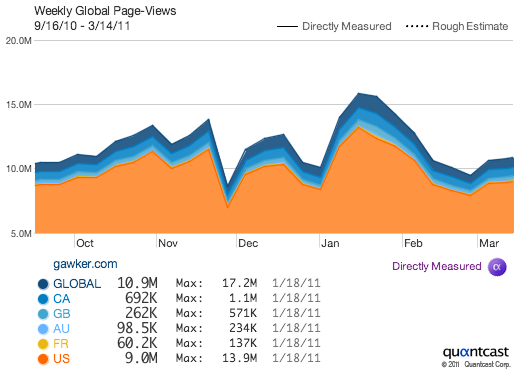
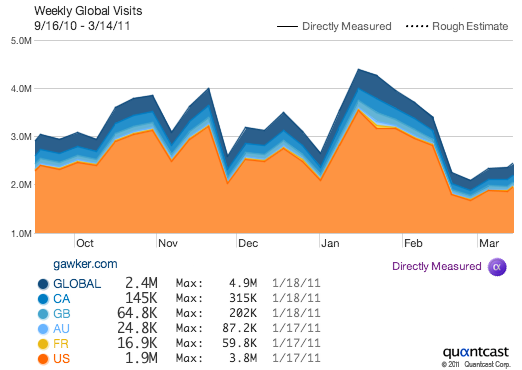
From Quantcast, first you can see that total page views are down.
Next you can see that visits are down.
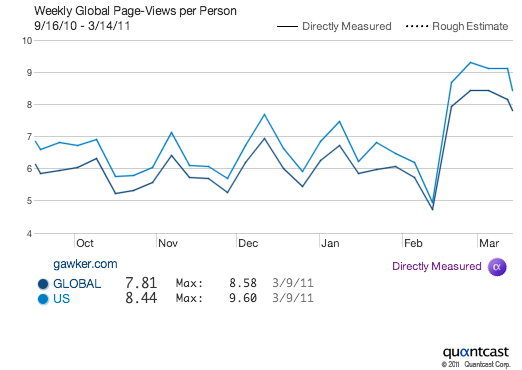
But! Page views per person are way up.
If they hadn’t driven everyone away with the terrible bugs, non-working comments and notifications and pages that don’t load right, they would have the same number of people all clicking on more pages. The idea worked but they lost the people. The self imposed deadline to roll out a non-functional site killed a perfectly good plan to increase page views per person.
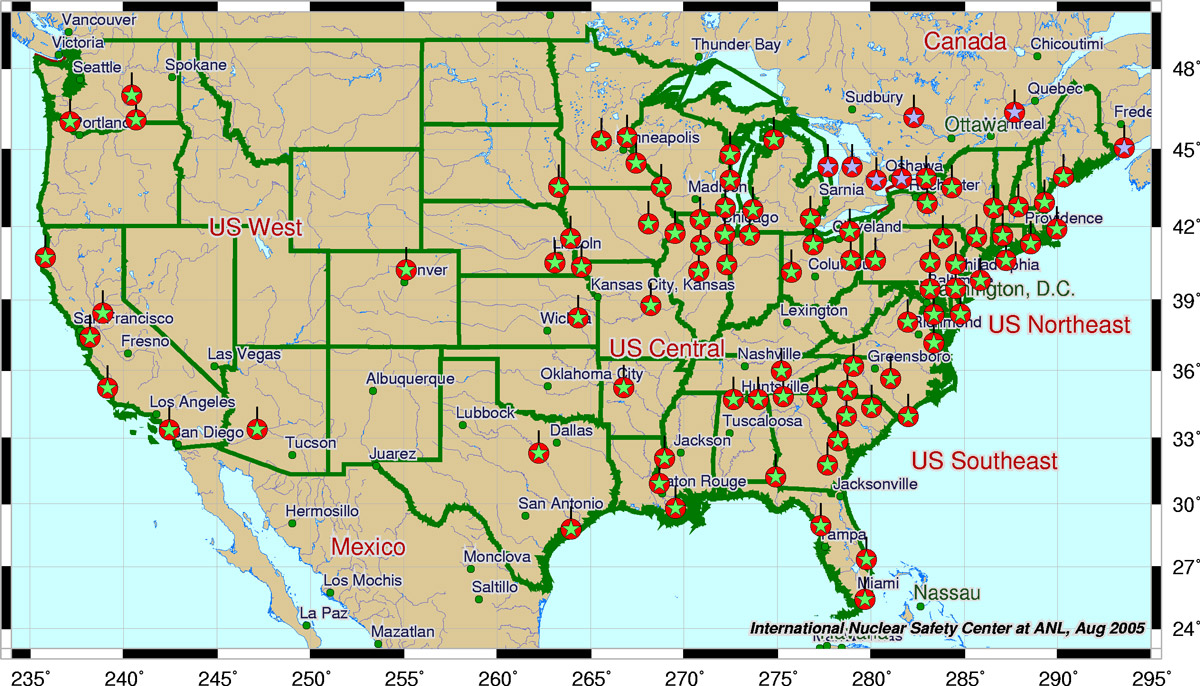
Where are all these nuclear power plants that have been the cause of so much speculation? Maybe in your back yard. A full list is available at Wikipedia.
The first map is courtesy of Argonne National Laboratory. It show the location of all plants active and inactive, well except the ones that government doesn’t want us to know about. Closed plants are still not the kinds of places you want to build playgrounds and swimming pools.
Click image to enlarge
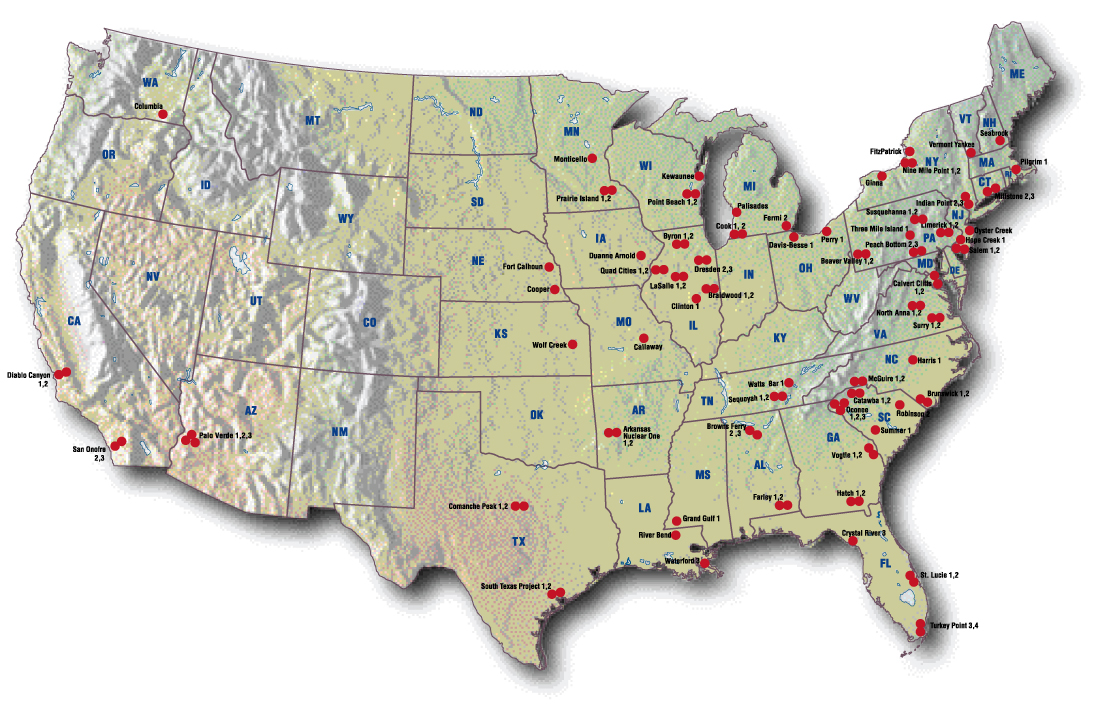
Next we have a nice map from world-nuclear.org. This one shows only plants that are up and running.
Click image to enlarge
Many of the older reactors have been shut down as they become too expensive to maintain, obsolete or go past their permit date without an extension. The cluster of dots on many locations are to show the multiple reactors per location.
From world-nuclear.org:
The USA has 104 nuclear power reactors in 31 states, operated by 30 different power companies. In 2008, the country generated 4,119 billion kWh net of electricity, 49% of it from coal-fired plants, 22% from gas and 6% from hydro. Nuclear achieved a capacity factor of 91.1%, generating 805 billion kWh and accounting for almost 20% of total electricity generated in 2008. Total capacity is 1088 GWe, less than one-tenth of which is nuclear.
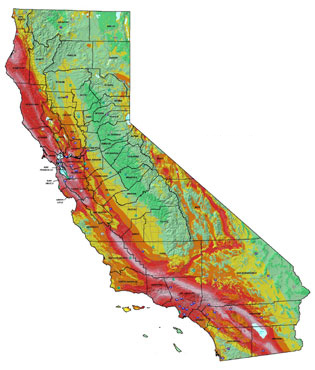
The recent tragedy in Japan has many people in earthquake prone areas of the US wondering if they should purchase earthquake insurance. Let’s look at the likelihoods, costs and benefits. We’ll look at California because data is readily available and Cthulhu’s wrath has been predicted to be focused on the San Francisco Bay Area.
Source conservation.ca.gov
How Likely Is an Earthquake?
“Probabilistic seismic hazard maps… are typically expressed in terms of probability of exceeding a certain ground motion. For example, the 10% probability of exceedance in 50 years maps depict an annual probability of 1 in 475 of being exceeded each year. The maps for 10% probability of exceedance in 50 years show ground motions that we do not think will be exceeded in the next 50 years. In fact, there is a 90% chance that these ground motions will NOT be exceeded.”
But, a smaller amount of ground movement is more likely and is almost certain to happen at some point in the next 30 years.
The red ares of this map are the highest level of ground movement and line up with large population areas. The conclusion is that shaking will occur, we don’t know when and we don’t know how bad it will be.
That gives rise to the need to mitigate the risk of property loss when an earthquake does happen. But what exactly does earthquake insurance cover and how much does it cost? Those factors are driven by coverage levels, structure replacement value and location.
What Does Earthquake Insurance Cover?
Repair, or in the event of a total loss, replacement cost, of an insured home when damage exceeds the policy’s deductible, up to the policy limit.
If you cannot live in your home after an earthquake, you may be eligible for additional living expenses up to your policy limit.
After the deductible has been met by covered damage to your home, the policy will replace personal property such as furniture and household items, up to your policy limit.
Your policy will pay up to $10,000 (as part of the dwelling limit of insurance), including engineering costs, to replace, stabilize or restore the land that supports your home.
What Does Earthquake Insurance Not Cover?
Detached garages and most other structures that are not part of the dwelling itself
Land damage, other than $10,000 in coverage for land stabilization
Swimming pools and spas
Awnings and patio coverings
Fences
Certain decorative or artistic items such as mirrors, chandeliers, stained glass, or mosaics
Landscaping and irrigation systems
Antennas and satellite dishes
Patios, decks, walkways, and driveways not needed for pedestrian or disabled access to your home
Plaster, to the extent that the repair cost exceeds the value of drywall
Exterior masonry veneer (with the exception of stucco, which is covered)
Damage caused in whole or in part by causes other than earthquakes, such as fire during or following an earthquake (in most cases, fire damage is covered by your homeowners insurance policy); water damage resulting from floods or surface water; power failures; explosions; or non-seismic land sliding
Certain categories of personal property, including glassware, crystal, porcelain, artwork, motor vehicles, boats, and trailers
How Much Does Earthquake Insurance Cost?
The cost depends on many factors but a rough estimate is that it is going to be in the same annual premium range as the existing homeowner’s policy.
For example, using nice round numbers, if a home is completely destroyed and costs $200,000 to replace the structure then the out of pocket expenses would be $30,000 plus the cost of all the items that the earthquake insurance does not cover.
If an earthquake strikes 10 years from now and a homeowner pays $1,500 per year then they’ve put in $15,000 in premiums, $30,000 in deductibles and several thousand more for uncovered items. The 10 year cost is close to $50,000 in this scenario with total property destruction. If your property damage is less than $30,000 then the policy pays nothing.
All of this does not apply if your home is destroyed by a tsunami resulting from and earthquake. For that you’re going to need flood insurance, but that’s a different article.
What If You Don’t Have Coverage?
Then you’re out of luck. You now own a pile of rubble with a mortgage. In some cases the government will provided federal disaster grants but those are usually less than $15,000. At this point you should just turn the useless keys over to the mortgage holder and rent an apartment.
Obviously if you’re lucky enough not to own a home then you can ignore this whole thing and just get renter’s insurance which is far less expensive.
Important Note: Crasstalk is not an insurance professional and should not be used as a replacement for one.
The long awaited Microsoft Internet Explorer 9 will be available for download starting tonight at 9PM Pacific. If you’re on a Mac then the answer is no because Microsoft gave up after IE 6. But if you’re on Windows and you don’t use your computer for work related tasks that might be incompatible, then the short answer is yes, eventually you should upgrade. This is true even if you don’t use IE that often since the most of the new security work will go into IE 9, it follows standards more closely and it’s faster.
Tonight after 9 Pacific you can go to beautyoftheweb.com to download the installer. Eventually Microsoft will push IE 9 through Windows Update but that will be many months. Other than speed improvements, there are some interesting new integration features with the Windows 7 task bar, a cleaner look (it looks like Firefox 4) and support for HTML 5. A full list of new features is here.
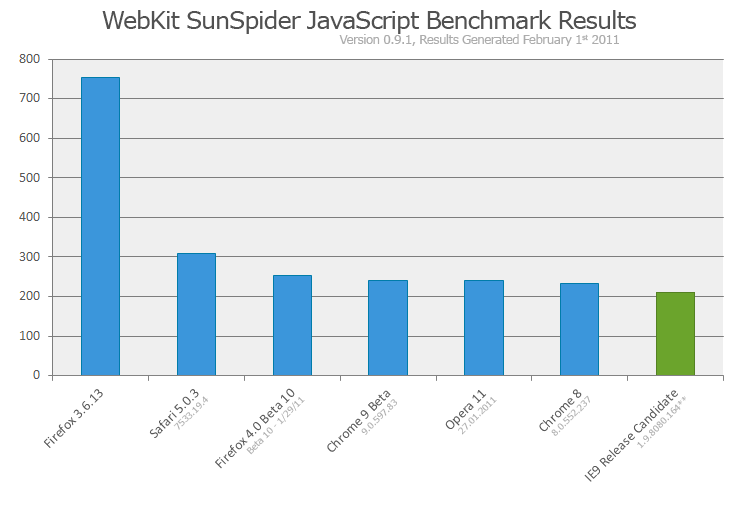
The speed numbers below are always changing, but the important thing is that IE 9 is on par with the other major browsers.
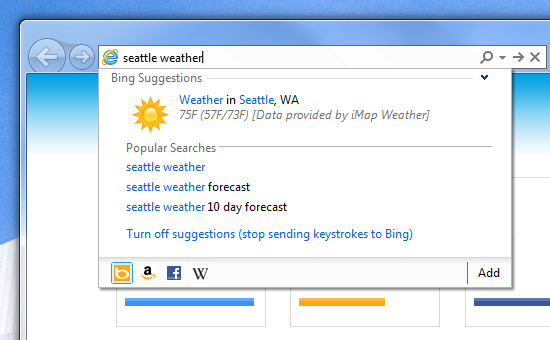
The address bar also gets an overhaul and now gives inline search as you type results.
Also coming soon is Firefox 4 which has recently hit release candidate and will be finalized in the coming months. As you can see from the graph above, Firefox 3 is really slow.
The more cautious out there might want to wait a few weeks to update so that any major early bugs and site incompatibilities can be worked out. And before you tell me that you don’t care because you use Chrome or Safari, that’s cool, but you should upgrade anyway there are some sites that still refuse to work with those browsers.